
Gen Z's Spending Habits: Quiet Luxury's Demise and What We Know
The Illusion of Frugality: Gen Z's Spending Paradox
The narrative is simple: Gen Z is financially savvy, prioritizing experiences and ethical consumption over flashy displays of wealth. They're packing lunches, supposedly eschewing the allure of daily lattes and avocado toast. But the data suggests a more complicated, perhaps even contradictory, picture.
Chipotle and Cava's recent sales slowdown, attributed to younger diners opting for homemade meals, is certainly a data point. However, let's not mistake a single trend for the whole story. Tapestry (Coach's parent company) is singing a different tune: Gen Z now comprises 35% of their new customers, driving sales beyond expectations. This isn't about practicality; it's about redirected spending.
The question is: redirected where, and why?
The "Vicarious Leisure" Mirage
The article mentions Thorstein Veblen's concept of "conspicuous consumption," where goods are bought as "trophies of success." But it also introduces "vicarious leisure," a more subtle display of discernment. A $400 Coach tote replaces a week of $15 takeout lunches. The net financial impact could be similar, but the perception is drastically different. It's a calculated trade-off, a performance of self-control and style.
Christian Louboutin's resurgence among Gen Z buyers is another interesting anomaly. Sales on resale sites like The RealReal have jumped 82% among this demographic. The red-soled stilettos, symbols of 2000s power dressing, are back. The discomfort, the visible pain, is part of the appeal. (Think of it as a kind of "suffering for status.")
Gen Z men are also joining the party, flaunting luxury Swiss watches on social media. Sotheby's estimates nearly a third of its watch sales in 2023 went to buyers under 30. That's a significant investment for a generation supposedly prioritizing experiences over material possessions.
It all screams one thing: this isn't about frugality. It's about prioritizing specific, visually impactful items that confer social capital.
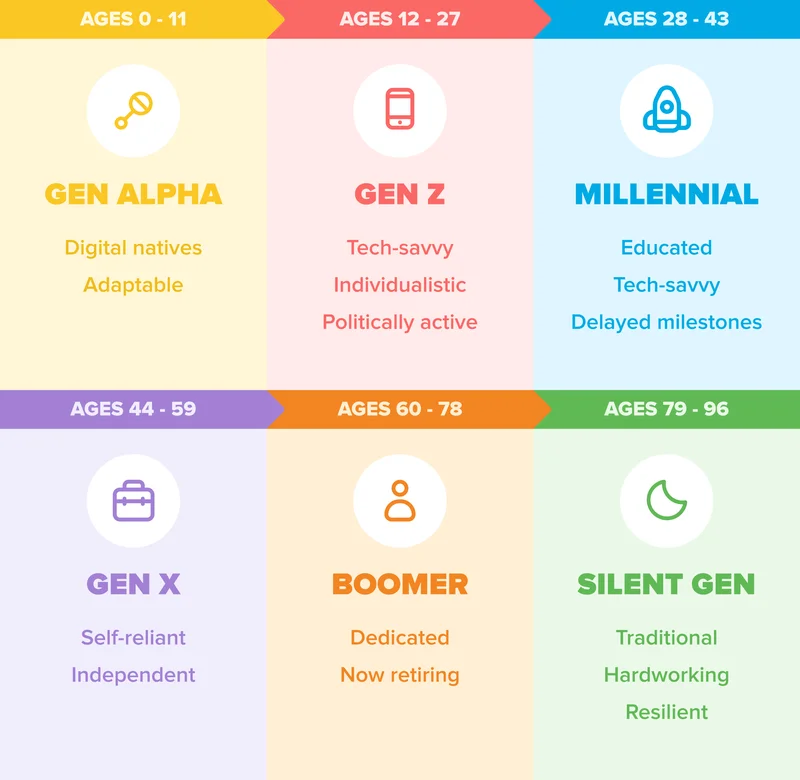
The Algorithmic Influence
A report from Boston Consulting Group and WWD projects that Gen Z and Gen Alpha will drive over 40% of U.S. fashion spending in the next decade. They already spend 7% more of their discretionary income on clothing and shoes than older adults. The driving force? Social media.
65% of Gen Z consumers cite social media as their primary source of fashion discovery. Nearly half report buying products directly because they saw them on TikTok or Instagram. 40% already use AI-powered recommendation tools to compare styles and prices. The implication is clear: algorithmic suggestion, not brand loyalty, dictates spending habits.
The marketing never sleeps. It lives on their "For You" pages, curated by data to trigger new desires daily. Young consumers, already grappling with high costs for basic necessities, are exposed to a constant stream of aspirational content. Ten-year-olds are saving their allowances for $70 moisturizers and $90 serums, mimicking influencer routines. (I've looked at hundreds of these consumer reports, and the psychological impact on such young children is genuinely concerning.)
The article quotes Veblen: "The end sought by accumulation is not consumption of goods, but the evidence of wealth." But I think that statement needs a modern update. It's not just about the evidence of wealth; it's about the performance of wealth, meticulously curated and broadcast on social media for validation.
The Real Cost of "Affordable Opulence"
The "Ralph Lauren Christmas" trend on TikTok—plaid ribbons, outsized candlesticks, and velvet drapes recreated from dollar-store finds—perfectly encapsulates this phenomenon. Searches for the phrase are up over 600%, and Etsy searches for related décor rose 180%. It's a desire to evoke the elegance of wealth without its actual cost. Gen Z is performing taste with efficiency, pursuing distinction through creative reuse rather than raw purchasing power.
But is it truly efficient? Consider the time spent sourcing dollar-store materials, the effort involved in recreating aspirational aesthetics, and the pressure to constantly update one's online persona. Is this "affordable opulence" truly affordable when measured in terms of time and mental energy? And what happens when the algorithm shifts, and the aspirational aesthetic changes overnight? Are these young consumers prepared to keep up?
The Data Doesn't Lie: It's a Calculated Performance
Gen Z isn't necessarily more frugal; they're simply more strategic. They're making calculated trade-offs, prioritizing specific items that confer social status in the digital age. The numbers paint a clear picture: this isn't about financial responsibility; it's about a carefully constructed performance of aspiration, fueled by algorithmic suggestion and the relentless pursuit of online validation.
Tags: gen z
Related Articles