
Nairobi: Official's Collapse and Art Auction Frenzy
Jail? Or Just a Wake-Up Call for Nairobi's Green Future?
Okay, folks, buckle up. We've got a story brewing out of Nairobi that, on the surface, looks like a simple case of legal trouble. But trust me, there's a much bigger picture here, a potential turning point for how cities balance development with environmental responsibility.
The headline? A senior Nairobi County official, Geoffrey Mosiria, allegedly collapsed upon learning he faced jail time for contempt of court. Apparently, he was supposed to appear before a three-judge bench, but health issues intervened, conveniently or not. His legal team claims he was unaware of the case, which stems from a court order barring development in Parklands without a proper land use plan. The Parklands Residents Association alleges this order was defied, with continued excavation and tree-cutting. Now, Mosiria is in legal limbo, awaiting a court hearing in February. Court told Nairobi official Geoffrey Mosiria collapsed, hospitalised on learning he risks jail term for contempt
Seems like a standard legal drama, right? A city official, a court order, some angry residents… But let's zoom out for a second. What's really at stake here? It's not just about one official's fate. It’s about Nairobi's future, about how we build sustainable, livable cities in the face of rapid growth and environmental concerns. This isn't just a legal case; it's a microcosm of the challenges facing urban centers worldwide. The tension between progress and preservation is reaching a boiling point.
A City at a Crossroads
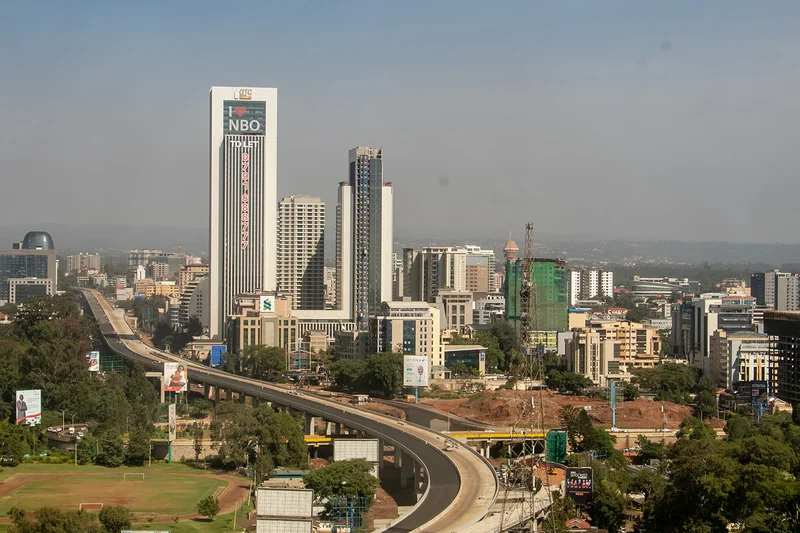
Think about it: Nairobi, like so many other cities, is booming. There's pressure to build, to develop, to create economic opportunities. But at what cost? If we bulldoze every green space, ignore environmental regulations, and prioritize short-term gains over long-term sustainability, what kind of city are we left with? A concrete jungle, choked with pollution, where quality of life plummets. Is that the future we want? I don't think so.
This situation with Mosiria is, in a way, a pressure release valve. It's forcing a conversation, a confrontation, about these critical questions. The court case, the allegations of contempt, the health scare—it's all part of a larger narrative about accountability and responsibility. And frankly, it's about time.
This reminds me of the early days of the environmental movement in the US. Remember Rachel Carson's "Silent Spring"? It wasn't just about DDT; it was about waking people up to the interconnectedness of ecosystems and the consequences of unchecked industrial growth. This case in Nairobi, while on a smaller scale, could have a similar impact. It’s a chance to set a precedent, to say: "Enough is enough. We can't keep sacrificing our environment for the sake of development."
The legal back-and-forth will continue, no doubt. Mosiria's lawyers are challenging the contempt finding, alleging forged signatures on the petition documents. The Directorate of Criminal Investigations is involved, investigating the forgery claims. It's a tangled web, and the truth may be hard to untangle. But regardless of the legal outcome, the underlying message is clear: Nairobi needs a new approach.
What if this whole episode becomes a catalyst for positive change? Imagine a Nairobi where development is guided by a genuine commitment to sustainability, where green spaces are protected, and environmental regulations are enforced. Imagine a city where officials are held accountable for their actions, and where the voices of residents are heard and respected. What if this "crisis" becomes an opportunity to create a truly world-class city, a model for sustainable urban development in Africa and beyond?
And, you know what? It's not just about government action. It's about us, the citizens. We need to demand better. We need to hold our leaders accountable. We need to be active participants in shaping the future of our cities.
Nairobi: A Greener Tomorrow?
Look, I'm not saying it's going to be easy. There will be resistance, there will be challenges. But I believe it's possible. I believe that Nairobi can emerge from this controversy stronger, more resilient, and more committed to a sustainable future. It won't happen overnight, but with vision, leadership, and the collective will of its citizens, Nairobi can become a shining example of how to build a city that is both prosperous and environmentally responsible.
Tags: nairobi
Wendy's Closing Hundreds of Restaurants: What We Know and Why It Sucks
Next PostAnunay Sood's Death in Dubai: What Happened and Fan Reactions
Related Articles